When it comes to internal product planning, teams often struggle between flexibility and engagement. Traditional wiki pages have long been the go-to medium: simple, Markdown-based, and collaborative. But as artificial intelligence workflows mature, a new contender emerges — HTML artifacts. These rich, interactive outputs can dramatically improve how we create, consume, and update planning docs.
In this article, we’ll explore why interactive plans rendered as HTML artifacts can outperform traditional wiki pages in driving better product outcomes. We'll clarify the real tradeoffs behind using HTML artifacts — why token cost is minor while latency is the true friction point — and explain how reusable artifact templates powered by JSON data swaps can massively speed up your workflows.
What Are HTML Artifacts?
HTML artifacts are generated HTML documents designed as outputs of AI or other dynamic workflows. Unlike static wiki pages or Markdown files rendered passively, these artifacts support rich interactivity:
- Dynamic tabs, accordion sections, and context-sensitive tips Embedded diagrams, interactive timeline sliders, and real-time filters Actionable checklists and status trackers that update as you work Machine-generated content with human-curated customization
You’re not limited to simple headings, paragraphs, or bullet lists — the entire HTML specification combined with CSS and JavaScript lets you craft a planning doc that’s as engaging and interactive as a single-page app.
Why Consider HTML Artifacts Over Wiki Pages for Planning Docs?
Engagement and Scannability Drive Better Product Work
Scannability is a key ingredient for effective team collaboration. Wiki pages often degrade into dense Markdown walls — a problem as teams scale. Without clear hierarchy or interactivity, readers spend more time hunting for relevant info, leading to overlooked action items or design tradeoffs.
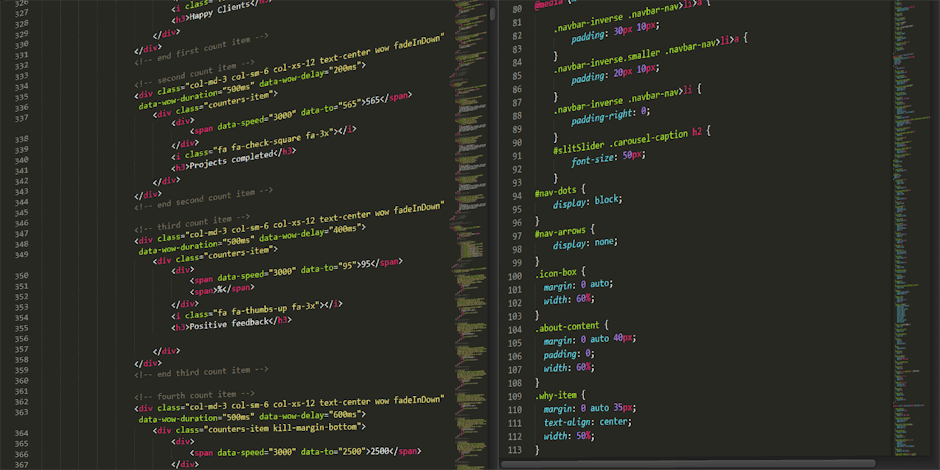
HTML artifacts give you granular control over document structure and presentation beyond basic Markdown capabilities:

- Collapsible sections let readers focus on what matters, hiding details unless needed. Tabbed content minimizes page length by grouping related info—design specs, metrics, risks — into bite-sized panes. Interactive tables for prioritization and roadmap views enable sorting and filtering without leaving the page. Embedded media and diagrams improve comprehension of complex architecture or flows.
These UI patterns turn passive consumption into active planning. When teams engage with docs more naturally, the planning process becomes more iterative, collaborative, and less error-prone.
Token Cost Is a Red Herring; Latency Is the Real Friction
Many developers worry about the AI token cost when generating rich HTML artifacts, assuming it’s a significant barrier. In truth, token cost is minor relative to human time saved by enhanced scannability and engagement.
The true bottleneck isn’t cost but latency. How long does it take to generate and iterate on these interactive planning docs? Even a few seconds of delay during drafting or version updates interrupts flow and discourages experimentation.
Investing in optimized pipelines to reduce generation latency — incremental updates, caching, or modular JSON data swaps — will yield exponentially better team productivity than obsessing over token usage alone.
Reusable Artifact Templates Powered by JSON Data Swaps
At the heart of HTML artifact workflows is https://www.mikegingerich.com/blog/anthropic-adopts-html-over-markdown-for-workflows/ the idea of decoupling content structure from the data. Rather than hand-craft an entire HTML page per planning doc, teams can define:
Reusable Templates: Pre-built HTML+CSS+JS artifacts with placeholders and interactive UI elements designed for planning and roadmaps. JSON Data Models: Lightweight JSON objects describing project-specific details like milestones, stakeholders, risks, and objectives. Dynamic Rendering: A generator tool swaps JSON data into templates to produce fully interactive, up-to-date HTML planning docs.
This approach empowers:
- Rapid prototyping: Quickly switch data sets while keeping UX consistent. Scalability: Standardize how teams create and consume planning docs across product lines. Maintainability: Update UX patterns globally by improving a single template rather than many disparate markdown pages.
Comparing HTML Artifacts and Wiki Pages Side-by-Side
Feature Wiki Page (Markdown) HTML Artifact Format Flexibility Basic text, headings, lists, images Full HTML/CSS/JS interactivity: tabs, accordions, filters Ease of Editing Simple, WYSIWYG editors, low barrier Requires generator or tooling; not typically edited raw Engagement Passive reading, basic markup Interactive, user-driven exploration and filtering Reuse and Consistency Manual copy-paste or duplication Reusable templates + JSON data swap for uniformity Update Latency Instant updates, manual edits Dependent on generation speed, can optimize with caching Token Cost Concern Minimal; human editing is primary Minor compared to time savings; focus on latencyWhen Should You Use Interactive Planning Docs as HTML Artifacts?
Transitioning from wiki pages to HTML artifacts isn't a silver bullet. Ask yourself these questions to decide if HTML artifacts fit your workflow:
- Is your planning doc complex enough to benefit from interactivity? If you routinely face overwhelmed readers and poor scannability, HTML artifacts can help. Does your team use AI-generated content and want output beyond plain text or markdown? Interactive HTML is an ideal format to maximize value. Are you prepared to invest in a generation pipeline and standarized templates? Without reusable templates, the maintenance cost may outweigh benefits. Is latency low enough to foster rapid iteration? Slow generation adversely impacts collaboration.
How to Get Started Today
If you're curious about trying HTML artifacts for your next product/planning doc, here’s a pragmatic starter guide:
Define Your Key Planning Components: What info do you want to surface? Objectives, roadmaps, risk registers, milestones? Create a Reusable HTML Template: Build a standalone HTML artifact with interactive UI elements, placeholders, and sample data in JSON. Develop a Simple Generator: Use scripting (Node.js, Python, etc.) to swap in real JSON data for the template placeholders. Integrate AI Content Generation: Feed the JSON model or components into your AI workflow to populate or update content sections dynamically. Monitor Latency and User Feedback: Refine template complexity and generation steps to reduce lag and friction.Transitioning planning documents to interactive HTML artifacts will take iteration and some upfront investment — but teams shipping fast and breaking formatting have already discovered this approach delivers cleaner collaboration and stronger alignment.
Conclusion
HTML artifacts represent a significant evolution beyond traditional wiki pages and Markdown for interactive plans and planning docs. Their enhanced interactivity and scannability foster deeper team engagement and improve product work quality. While token cost is a relatively minor concern, latency is the real gating factor to smooth workflows.
Reusable templates powered by JSON data swaps unlock scalable, maintainable generation of rich artifacts that plug seamlessly into modern AI-enhanced tooling. Rather than settling for passive wiki pages, product teams ready to invest in smarter internal tooling should seriously consider HTML artifacts as the future of interactive planning docs.
So, can you use HTML artifacts instead of a wiki page? Absolutely—if you focus on engagement, manage latency carefully, and leverage reusable templating. The payoff for complex product planning workflows is substantial.
```